
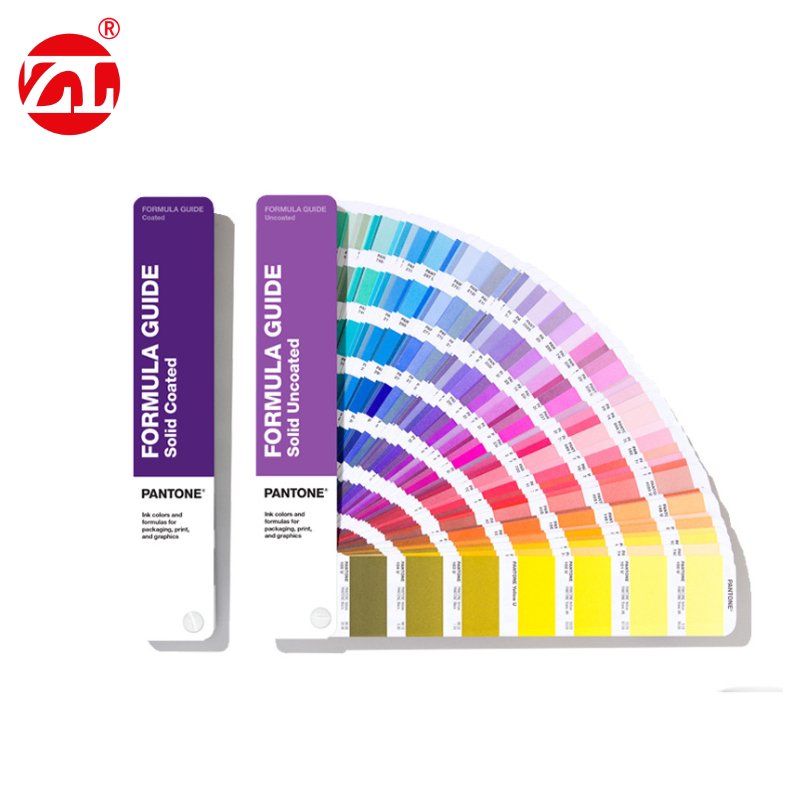
AATCC six-color nine-grade color card is imported from the United States, divided into 9 grades, also known as AATCC color transfer gray card, used for visual evaluation of color transfer or staining degree, 5 hues (red, yellow, green, blue, purple) , 60 color circle. AATCC assessment method P8.
Standard:
AATCC 15,61/61-2A,132,133,163… or more…
Color fastness refers to the resistance of the color of a textile to various effects during processing and use. The fastness rating is based on the discoloration of the sample and the staining of the undyed backing fabric. Textile color fastness testing is a routine testing item in the intrinsic quality testing of textiles.
The degree of fading of dyed fabrics under the action of external factors (extrusion, friction, washing, rain, exposure, etc.) during use or processing is an important indicator of the fabric. Because the conditions of fabrics in the process of processing and use are very different, the requirements are different.
Therefore, most of the current test methods are simulated tests or comprehensive tests according to the environment and conditions of the action, so the test methods for color fastness are quite extensive.
But looking at the International Standards Organization (ISO), the American Association of Dyers and Chemists (AATCC), Japan (JIS), the United Kingdom (BS) and many other standards, the most commonly used standards are wash resistance, light resistance, friction resistance, sweat resistance, and resistance. Ironing, weather resistance, etc.
Common Color Fastness Tests :
Color fastness to rubbing, color fastness to light, color fastness to washing, color fastness to sea water, color fastness to dry cleaning, color fastness to heat, migration of dyes in storage, color fastness to acid spot and alkali spot …
Example: AATCC Test Method 15-2002 Brief Description
This test method is used to determine the perspiration fastness of colored fabrics, and can be used for dyeing, printing and other colored textile fibers, yarns and various fabrics, and can also be used to test dyes on fabric
Instruments and Materials
Test Sample
6×6+2cm sample, with a piece of AATCC No.10 standard multi-fiber cloth attached with the same size, sew the multi-fiber cloth and the sample together, if it is necessary to use the undyed original grey cloth, sew the sample Sandwiched between the multifiber attached fabric and the original grey fabric.
test program
until the test solution penetrates completely.
In order to obtain consistent results, the samples cut from a piece of cloth should have the same rolling rate in the same experiment, and the staining grade will not increase due to the increase of the amount of liquid.
Turn the screw to lock the pressure plate. The perspiration test device was placed vertically in the oven.
Evaluate
On the other hand, there may be bleeding without surface fading, or both bleeding and fading.
Level 5 – Negligible change or no change, same as gray card level 5.
Level 4.5 – Color change is equivalent to gray card level 4-5
Level 4 – Color change equivalent to gray card level 4
Level 3.5 – Color change equivalent to gray card level 3-4
Level 3 – Color change equivalent to gray card level 3
Level 2.5 – Color change equivalent to gray card level 2-3
Level 2 – Color change equivalent to gray card level 2
Level 1.5 – Color change equivalent to gray card level 1-2
Level 1 – Color change equivalent to gray card level 1
Level 5—No color shift or negligible color shift.
Grade 4.5 – Color transfer is equivalent to between grades 4-5 on a stained grey scale or grade 4.5 on the AATCC standard nine-grade color scale.
Grade 4 – Color transfer is equivalent to Grade 4 on the Stained Gray Scale or Grade 4 on AATCC Grade 5 and AATCC Standard 9 Grade Scale.
Grade 3.5 – Color transfer is equivalent to between grades 3-4 on the stained grey scale or grade 3.5 on the AATCC standard nine-grade color scale.
Grade 3 – Color transfer is equivalent to Grade 3 on the Stained Gray Scale or Grade 3 on the AATCC Grade 5 and AATCC Standard 9 Grade Scale.
Grade 2.5 – Color transfer is equivalent to between grades 2-3 on a stained grey scale or grade 2.5 on the AATCC standard nine-grade color scale.
Grade 2—The color transfer condition is equivalent to Grade 2 on the Stained Gray Scale or Grade 2 on the AATCC Grade 5 and AATCC Standard Nine Grade Scales.
Grade 1.5 – Color transfer is equivalent to between grades 1-2 on a stained grey scale or grade 1.5 on the AATCC standard nine-grade color scale.
Grade 1—The color transfer condition is equivalent to Grade 1 on the Stained Gray Scale or Grade 1 on the AATCC Grade 5 and AATCC Standard 9 Grade Scales.

© Dongguan Zhongli Instrument Technology Co., Ltd.
Leave your inquiry, we will provide you with quality products and services!
Please fill out the form below to request a quote or to request more information about us. please be as detailed as possible in your message, and we will get back to you as soon as possible with a response. we’re ready to start working on your new project, contact us now to get started.